A Guide to Medical Device Marketing
Are you looking to bring a medical device to the market in the United States? Navigating the FDA’s complex regulatory process can be intimidating, but it doesn’t have to be.
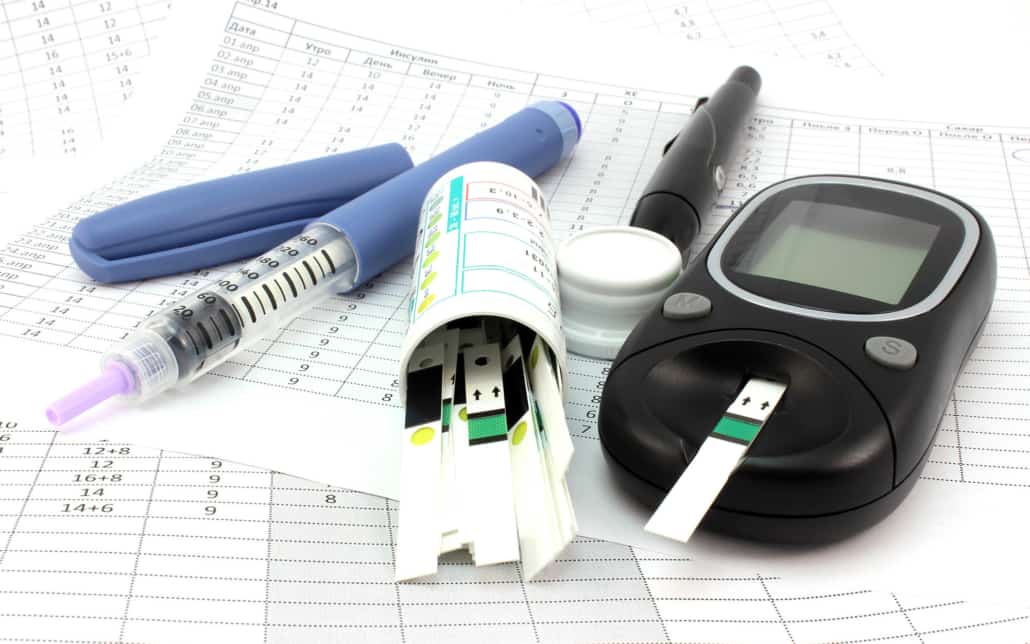

Are you looking to bring a medical device to the market in the United States? Navigating the FDA’s complex regulatory process can be intimidating, but it doesn’t have to be.
Before you begin the regulatory journey, perform medical device market research to determine how the FDA has classified your device. With stringent regulations governing the sale of medical devices, you must be sure to understand the risks associated with yours, and choose the right marketing pathway to ensure safety and effectiveness.
Medical devices on the market in the U.S. are categorized into one of three classes based on the level of patient risks they present:
As device classes increase, so do the FDA’s regulatory controls. That means that class I devices must meet the fewest regulatory requirements, class II’s have more moderate ones, and class III must undergo the most strict of assessments and evaluations for market approval. The FDA provides resources to help you determine your device’s classification.
Once you’ve determined your device classification, you’ll be able to select and prepare the correct premarket submission, if one is required. Most types are listed on the FDA’s public Product Classification database. While there are exemptions for some class I and II devices, anything with those classifications are typically still required to comply with other regulatory controls.
The most common types of premarket submissions include:
510(k) (Premarket Notification)
PMA (Premarket Approval)
Some class I and most class II devices require a 510(k). To prepare this kind of submission, you must demonstrate that your device is “substantially equivalent” to a predicate device in terms of intended use, technological characteristics, and performance testing. The FDA offers resources on how to do so.
Class III devices require a PMA, which is the most stringent type of premarket submission. For the FDA to approve it, you must provide valid scientific evidence that your device is safe and effective based on its intended use. Here’s a resource from the FDA to help. You can also consider using the eSTAR interactive PDF form to help guide you through the preparation process.

After you’ve prepared the appropriate premarket submission for your device, it’s time to send it to the FDA and communicate with their staff during the review process. Here are a few things to keep in mind before submitting:
Once the FDA receives your premarket submission, their staff conducts an administrative review to determine if the 510(k) or PMA submission is sufficiently complete before it’s accepted for a substantive review. During this process, FDA staff will communicate with you to maintain an efficient process. You can also send your submission and track the status online using the FDA’s Customer Collaboration Portal.
The final step to bring your medical device to the market is to register your establishment with the FDA.
If you’re using contract manufacturing services, your manufacturer completes the registration process, which includes providing details about your device and the manufacturing procedures performed to develop it. As your manufacturer of record, the company will provide the FDA with details that ensure your device is made in accordance with Good Manufacturing Practices and labeled using FDA guidelines.
Remington has been through the premarket submission process for our own line of disposable medical devices. That means we know a thing or two about bringing new medical supplies to the market. Whether you want to launch something new or update what already exists, we take care of everything, from conception to registering with the FDA, to ensure everything succeeds according to plan. Contact us today to learn more.
 https://remmed.com/wp-content/uploads/2026/07/In-Technology-Research-Laboratory_-Diverse-Team-of-Industrial-Scientists.jpg
1250
2000
AbstraktMarketing
/wp-content/uploads/2023/05/Remington-Logo-R-Dark.png
AbstraktMarketing2026-07-24 12:47:282026-08-20 22:01:59Design Transfer Without a Plane Ticket: How In-Country Medical Device Prototyping and Tooling Cuts Months Off Your Launch
https://remmed.com/wp-content/uploads/2026/07/In-Technology-Research-Laboratory_-Diverse-Team-of-Industrial-Scientists.jpg
1250
2000
AbstraktMarketing
/wp-content/uploads/2023/05/Remington-Logo-R-Dark.png
AbstraktMarketing2026-07-24 12:47:282026-08-20 22:01:59Design Transfer Without a Plane Ticket: How In-Country Medical Device Prototyping and Tooling Cuts Months Off Your Launch https://remmed.com/wp-content/uploads/2026/07/Aerial-overhead-view-of-a-large-container-ship-and-airplane-traveling-over-the-ocean.jpg
1250
2000
AbstraktMarketing
/wp-content/uploads/2023/05/Remington-Logo-R-Dark.png
AbstraktMarketing2026-07-24 09:28:512026-08-20 22:01:59Air Freight vs. Ocean Freight for Class II Medical Device Shipping
https://remmed.com/wp-content/uploads/2026/07/Aerial-overhead-view-of-a-large-container-ship-and-airplane-traveling-over-the-ocean.jpg
1250
2000
AbstraktMarketing
/wp-content/uploads/2023/05/Remington-Logo-R-Dark.png
AbstraktMarketing2026-07-24 09:28:512026-08-20 22:01:59Air Freight vs. Ocean Freight for Class II Medical Device Shipping https://remmed.com/wp-content/uploads/2026/07/Close-up-of-man-in-protective-suit-checking-delivery-in-list.jpg
1250
2000
AbstraktMarketing
/wp-content/uploads/2023/05/Remington-Logo-R-Dark.png
AbstraktMarketing2026-07-24 09:15:222026-08-20 22:01:59What OEMs Need to Know About Medical-Grade Material Sourcing With Tariffs
https://remmed.com/wp-content/uploads/2026/07/Close-up-of-man-in-protective-suit-checking-delivery-in-list.jpg
1250
2000
AbstraktMarketing
/wp-content/uploads/2023/05/Remington-Logo-R-Dark.png
AbstraktMarketing2026-07-24 09:15:222026-08-20 22:01:59What OEMs Need to Know About Medical-Grade Material Sourcing With Tariffs https://remmed.com/wp-content/uploads/2026/07/Science-team-tablet-and-analysis-study-in-lab-for-pharmaceutical-collaboration.jpg
1250
2000
AbstraktMarketing
/wp-content/uploads/2023/05/Remington-Logo-R-Dark.png
AbstraktMarketing2026-07-24 08:40:092026-08-20 22:01:59What a Customs Hold Is Really Costing Your Medical Device Supply Chain
https://remmed.com/wp-content/uploads/2026/07/Science-team-tablet-and-analysis-study-in-lab-for-pharmaceutical-collaboration.jpg
1250
2000
AbstraktMarketing
/wp-content/uploads/2023/05/Remington-Logo-R-Dark.png
AbstraktMarketing2026-07-24 08:40:092026-08-20 22:01:59What a Customs Hold Is Really Costing Your Medical Device Supply Chain https://remmed.com/wp-content/uploads/2026/07/How-Offshore-Sterilization-and-Lab-Testing-Can-Delay-Medical-Device-Launches_.jpg
1250
2000
AbstraktMarketing
/wp-content/uploads/2023/05/Remington-Logo-R-Dark.png
AbstraktMarketing2026-07-15 16:27:032026-08-20 22:01:59How Offshore Sterilization and Lab Testing Can Delay Medical Device Launches
https://remmed.com/wp-content/uploads/2026/07/How-Offshore-Sterilization-and-Lab-Testing-Can-Delay-Medical-Device-Launches_.jpg
1250
2000
AbstraktMarketing
/wp-content/uploads/2023/05/Remington-Logo-R-Dark.png
AbstraktMarketing2026-07-15 16:27:032026-08-20 22:01:59How Offshore Sterilization and Lab Testing Can Delay Medical Device Launches https://remmed.com/wp-content/uploads/2026/07/The-Risk-of-Tier-2-Suppliers-in-the-Medical-Device-Supply-Chain.jpg
1250
2000
AbstraktMarketing
/wp-content/uploads/2023/05/Remington-Logo-R-Dark.png
AbstraktMarketing2026-07-15 16:17:142026-08-20 22:01:59Where Tariff Risk Lives in Your Medical Device Supply Chain
https://remmed.com/wp-content/uploads/2026/07/The-Risk-of-Tier-2-Suppliers-in-the-Medical-Device-Supply-Chain.jpg
1250
2000
AbstraktMarketing
/wp-content/uploads/2023/05/Remington-Logo-R-Dark.png
AbstraktMarketing2026-07-15 16:17:142026-08-20 22:01:59Where Tariff Risk Lives in Your Medical Device Supply Chain https://remmed.com/wp-content/uploads/2026/07/medical-team-meeting-about-Dual-Sourcing.jpg
1250
2000
AbstraktMarketing
/wp-content/uploads/2023/05/Remington-Logo-R-Dark.png
AbstraktMarketing2026-07-14 19:43:442026-08-20 22:01:59Dual-Sourcing Doesn’t Work When Both Sources Are Offshore: Rethink
https://remmed.com/wp-content/uploads/2026/07/medical-team-meeting-about-Dual-Sourcing.jpg
1250
2000
AbstraktMarketing
/wp-content/uploads/2023/05/Remington-Logo-R-Dark.png
AbstraktMarketing2026-07-14 19:43:442026-08-20 22:01:59Dual-Sourcing Doesn’t Work When Both Sources Are Offshore: Rethink https://remmed.com/wp-content/uploads/2026/05/Untitled-design-5-1.png
1148
2048
AbstraktMarketing
/wp-content/uploads/2023/05/Remington-Logo-R-Dark.png
AbstraktMarketing2026-05-07 08:07:582026-08-20 22:01:59Remington Medical Named “Best Overall Medical Device Company” in MedTech Breakthrough Awards Program
https://remmed.com/wp-content/uploads/2026/05/Untitled-design-5-1.png
1148
2048
AbstraktMarketing
/wp-content/uploads/2023/05/Remington-Logo-R-Dark.png
AbstraktMarketing2026-05-07 08:07:582026-08-20 22:01:59Remington Medical Named “Best Overall Medical Device Company” in MedTech Breakthrough Awards Program https://remmed.com/wp-content/uploads/2026/03/Common-Drainage-Bag-Failures-and-How-to-Prevent-Them-in-Clinical-Use-img.jpg
1250
2000
AbstraktMarketing
/wp-content/uploads/2023/05/Remington-Logo-R-Dark.png
AbstraktMarketing2026-03-02 12:13:322026-08-20 22:01:59Common Drainage Bag Failures (and How to Prevent Them in Clinical Use)
https://remmed.com/wp-content/uploads/2026/03/Common-Drainage-Bag-Failures-and-How-to-Prevent-Them-in-Clinical-Use-img.jpg
1250
2000
AbstraktMarketing
/wp-content/uploads/2023/05/Remington-Logo-R-Dark.png
AbstraktMarketing2026-03-02 12:13:322026-08-20 22:01:59Common Drainage Bag Failures (and How to Prevent Them in Clinical Use)


 Explaining Medical Device Accessories